Structural Records Without Putting Climbers at Risk
Tower inspections in Taft for operators needing structural and thermal documentation without site shutdowns or climbing crews
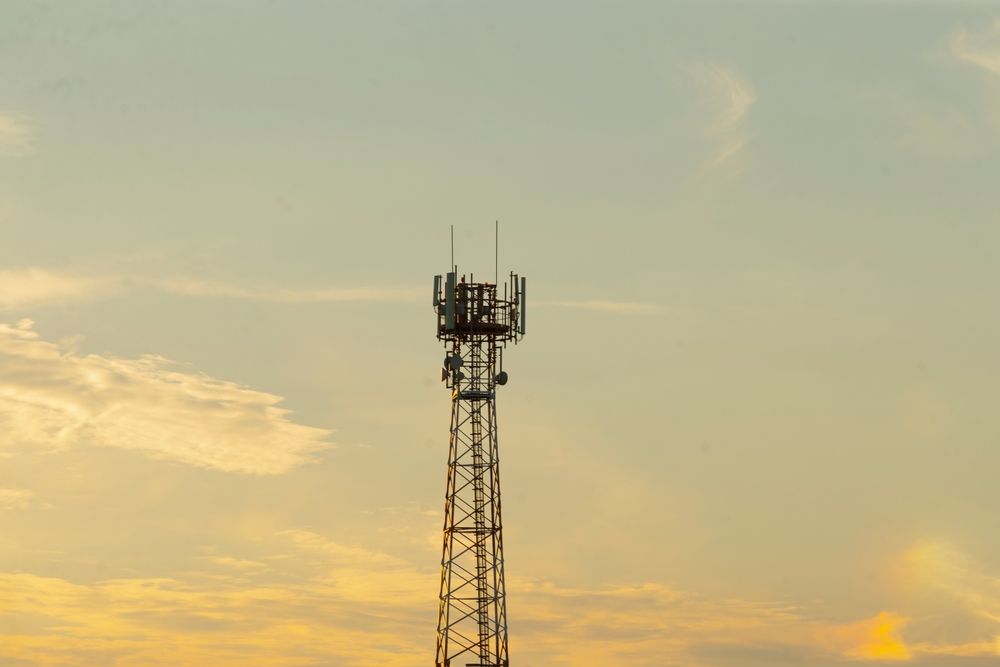
Communication towers require periodic structural assessment to verify bolt tension, detect corrosion, and confirm antenna mounting integrity—but traditional climbing inspections carry significant fall risk and require extended site downtime that interrupts transmission schedules. 661aerialops uses unmanned aerial systems operated by a Level 1 sUAS Applications Certified Thermographer to collect thermal and high-resolution visual data from every structural member, guy wire connection, and equipment platform on the tower. Tower operators in Taft gain complete structural records without scheduling a climbing crew or taking the site offline to accommodate ground-based safety requirements.
Aerial thermal imaging measures temperature differentials across transmission line components, connectors, and grounding systems while they operate under load. Overheating connectors, compromised grounding continuity, and electrical hotspots in transmission infrastructure produce distinct infrared signatures that identify the specific component and connection point requiring attention. Visual imaging collected in the same flight pass documents rust progression, bolt backing-out, and structural deformation at resolutions sufficient for engineering review, creating a single inspection record that covers both electrical and structural condition assessment simultaneously.
Arrange a tower inspection to produce a condition record covering structural members, electrical components, and mounting hardware in a single aerial survey.
How Aerial Inspection Addresses Both Electrical and Structural Findings
The inspection workflow begins with a pre-flight structural review of the tower footprint, guy wire anchor points, and equipment platform layout to determine flight path sequencing that covers every structural member and connection. The sUAS is then flown to capture overlapping thermal and visual passes at multiple elevations, ensuring that cross-arms, mounting brackets, and guy wire terminations are all documented from angles that reveal deformation or corrosion not visible from directly below. Level 1 sUAS Applications Certified Thermographer training directs how thermal data is interpreted: a warm connector imaged under load is evaluated in the context of its location in the circuit, the ambient temperature at time of capture, and the load level during the inspection window.
Once the inspection is complete, the documentation package separates findings by category—electrical thermal anomalies, visual structural concerns, and mounting hardware observations—so maintenance teams and engineers can assign priority and route work orders without reviewing undifferentiated imagery. Operators notice the difference in how quickly their maintenance cycle can act on findings: specific component identification means crews arrive with the right materials rather than conducting a secondary ground-level assessment before scheduling repairs.
The visual record also captures vegetation encroachment near guy wire anchor points and ground-level hardware corrosion that affects structural load ratings, documentation categories that climbing inspections can miss when attention is concentrated on upper structural members and antenna platforms.
The following addresses how aerial tower inspections are conducted, what the data captures, and how findings are structured for maintenance and engineering use.
What Tower Operators Ask About the Inspection Process
What structural components does the aerial inspection document?
The inspection covers the full tower structure including all cross-arms, guy wire connections and anchor hardware, equipment platforms, antenna mounts, and ground-level foundation hardware, with thermal imaging applied to electrical components and visual imaging applied to structural members throughout.
How does thermal imaging identify an electrical problem in a tower component?
Electrical connections with elevated resistance generate heat proportional to the current passing through them; under normal load conditions, a failing connector or corroded splice will read measurably warmer than adjacent components in the same circuit, and that temperature differential is visible in calibrated infrared imagery.
When should a tower operator schedule an inspection rather than waiting for the next maintenance cycle?
Operators should schedule an inspection when transmission performance data indicates anomalies, when the site has experienced high-wind events that place structural stress on guy wire terminations, or when the interval since the last documented inspection exceeds the manufacturer's recommended assessment period.
How does the inspection process work for towers in areas with overhead power line proximity?
Flight path planning accounts for all obstacle clearances required by applicable airspace and safety regulations, and approach angles are adjusted to document tower components without entering proximity to energized infrastructure not part of the inspection scope.
What does the documentation package include after the inspection is finished?
You receive categorized thermal and visual imagery with annotated findings identifying each anomaly by component type and tower location, formatted to support engineering review and maintenance prioritization without requiring additional site visits to clarify findings.
661aerialops delivers tower inspection documentation that maintenance coordinators and structural engineers can act on directly. To schedule an aerial inspection for a communication tower in Taft or discuss what the inspection covers for your specific structure, provide the site location and tower type when making contact.