Efficiency Loss Identified at Panel Level
Solar Panel Inspections in Taft for photovoltaic arrays showing reduced output or uneven performance
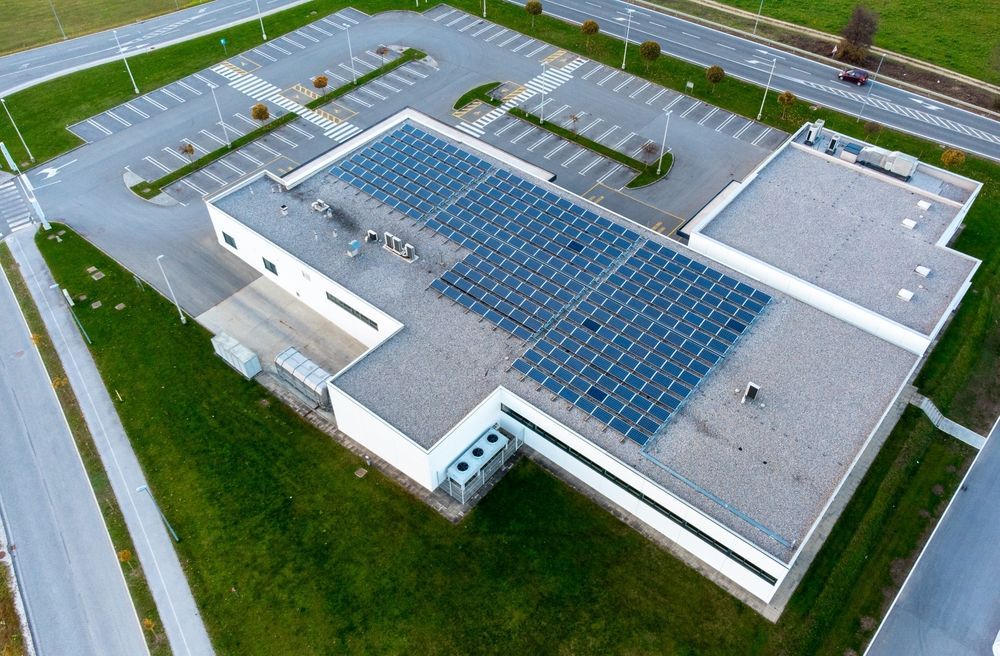
Solar arrays degrade through cell cracking, bypass diode failure, and connection resistance that reduces power generation without producing visible damage. 661aerialops performs thermal imaging inspections using Level 1 sUAS Applications Certified Thermographer capabilities to measure temperature variations across every panel in the array. Taft property owners monitoring system performance data can correlate declining output with specific thermal anomalies indicating which panels require replacement or repair rather than troubleshooting the entire installation.
The aerial survey captures infrared images showing hot cells operating at elevated temperatures due to internal resistance, cold cells indicating open circuits or disconnected bypass diodes, and string-level temperature patterns revealing inverter or wiring problems. These thermal signatures separate panel-level failures from balance-of-system issues.
Request a thermal array scan to quantify performance losses and locate underperforming panels.
What Changes After Solar Thermal Analysis
Certified thermographic inspection produces a thermal map of the entire solar array with each panel's operating temperature recorded during active generation. Hot spots exceeding surrounding panel temperatures by ten degrees or more indicate internal defects causing power loss and accelerated degradation, while uniformly cool panels suggest electrical disconnection requiring immediate correction.
Following the inspection, you receive annotated thermal images identifying each defective panel by its array position, quantified temperature differentials showing severity, and high-resolution visual images confirming physical panel condition. This allows solar installers to replace only the confirmed failed units rather than performing speculative warranty claims across entire strings.
The inspection documents panel-level thermal performance and detects obvious physical damage like cracked glass or delaminated backing sheets. It does not measure electrical output directly, test inverter function, or assess mounting structure integrity, which require separate ground-based testing equipment.
Solar array owners across Taft frequently request thermal inspections after noticing production decreases or when monitoring systems flag underperforming strings.
Common Solar Inspection Questions
What causes solar panels to show thermal anomalies?
Cracked photovoltaic cells create high-resistance current paths that generate excess heat, while failed bypass diodes force current through damaged cells rather than routing around them, and loose connections introduce resistance that appears as localized hot spots at junction boxes.
How does aerial thermography improve on ground-based testing?
Flight altitude and angle provide uniform thermal imaging of every panel simultaneously under identical sun loading conditions, revealing comparative performance differences that ground-based spot measurements miss due to sequential testing over changing environmental conditions.
When should solar arrays receive thermal inspection?
Initial commissioning inspection establishes baseline thermal performance, with follow-up assessments recommended after three to five years as cell degradation accumulates, and immediately following hail storms or high wind events that may crack cells without producing visible exterior damage.
What resolution does thermal imaging provide?
Level 1 certified thermographic equipment resolves temperature differences at the individual cell level within each panel, detecting single failed cells within a sixty- or seventy-two-cell module based on their elevated operating temperature.
How does Taft's climate affect solar panel performance?
High summer temperatures reduce photovoltaic efficiency predictably, but thermal imaging distinguishes normal temperature-related losses from abnormal hot spots indicating internal defects that worsen with continued operation.
661aerialops delivers solar array thermal inspections that identify underperforming panels with certified thermographic documentation, enabling targeted repairs that restore system output. Arrange a flight over your Taft installation to document current thermal performance across the complete array.