Roof Problems Hidden From Ground-Level View
Roof inspections in Taft for properties with suspected leaks, energy loss, or age-related membrane deterioration
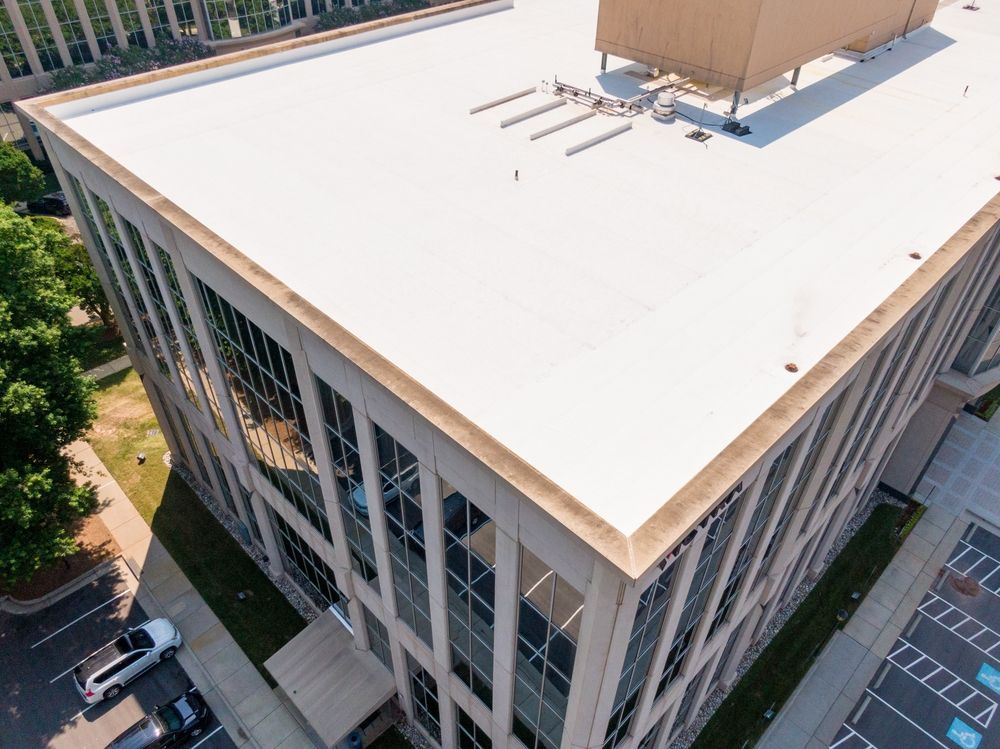
Aerial thermal imaging captures what no ground-level walkthrough can: the exact location where a roof system is losing integrity before any interior damage becomes visible. 661aerialops performs roof inspections across Taft using infrared imaging conducted by a Level 1 sUAS Applications Certified Thermographer, a credential that authorizes the interpretation of temperature variation data across roofing assemblies. Property owners dealing with unexplained energy loss, suspected leaks, or roofs approaching the end of their rated service life receive precise thermal data showing where the system has failed rather than a visual estimate of where it might be failing.
The inspection captures infrared imagery identifying areas where heat escapes through damaged insulation, where trapped moisture causes differential cooling patterns across the membrane, and where air pockets form beneath membrane separations. These thermal signatures appear in the data long before they produce ceiling stains, mold growth, or visible interior damage—which means the inspection supports repair decisions based on actual condition data rather than reactive response to visible symptoms.
Schedule a roof inspection to get thermal imagery showing the specific locations and extent of any compromised areas in your roofing system.
What Thermal Imaging Reveals That Visual Checks Cannot
During an aerial thermal inspection, the sUAS captures infrared images while the roof surface is within a usable thermal window—typically after sufficient heat has accumulated during the day and before equilibration with ambient temperature eliminates the differential. This timing is not arbitrary: it is the period when moisture trapped within insulation layers retains heat longer than surrounding dry material, producing the measurable temperature contrast that makes the problem visible in infrared. A Level 1 sUAS Applications Certified Thermographer understands how to read those contrast patterns and distinguish moisture-related signatures from false positives caused by HVAC penetrations, drains, or mechanical equipment.
After the inspection is complete, property owners receive imagery that maps heat anomalies to specific roof sections, enabling contractors to target repairs precisely rather than replacing large areas based on a general assessment. What changes is the scope of the conversation with a roofing contractor: instead of discussing where a problem might be, the imagery shows where it is, how large the affected area is, and whether multiple discrete failures are present or a single continuous zone has been compromised.
The inspection documents conditions as-found, which also creates a baseline record useful for warranty disputes, insurance assessments, or pre-purchase due diligence on commercial or industrial properties where roof condition directly affects asset value.
The questions below address how aerial thermal roof inspections are conducted, what the imagery shows, and how to interpret the results in the context of repair or maintenance decisions.
Common Questions About How Roof Inspections Work
What conditions are required for thermal imaging to detect moisture in a roof assembly?
The roof surface needs to have accumulated sufficient heat and then begun cooling so that wet insulation—which releases stored heat more slowly than dry material—produces a measurable temperature differential; inspections are typically conducted in the evening hours following a sunny day to capture that contrast reliably.
How does a thermal inspection differ from a standard visual roof assessment?
A visual assessment identifies surface-level damage like cracked membrane, exposed fasteners, or ponding water, while thermal imaging identifies subsurface conditions including moisture saturation within insulation layers and air gaps beneath membranes that show no surface indication yet.
What roof types are suitable for aerial thermal inspection?
Flat and low-slope commercial roofing assemblies—including TPO, EPDM, modified bitumen, and built-up systems—are the most diagnostic candidates because their insulation layers trap moisture in ways that produce strong thermal contrast; steep-slope residential systems can also be inspected for specific concerns.
How does the age of a building in Taft affect what the inspection is likely to find?
Older commercial and industrial structures in the area frequently have multiple roofing layers installed over the original membrane, and moisture infiltration in those assemblies tends to migrate laterally before becoming apparent, meaning thermal imaging often reveals a larger affected area than surface damage alone would suggest.
What does a property owner receive after the inspection is complete?
You receive a set of annotated thermal images identifying the location, approximate size, and thermal signature type of each anomaly detected, which you can provide directly to a roofing contractor to scope targeted repairs.
661aerialops provides roof inspection reports with annotated imagery that property owners and contractors can use directly to plan and scope repair work. To arrange an inspection of your roof system, contact 661aerialops with the property address and any performance concerns you have already observed.