Crop Stress Detected Before Visible Decline
Agricultural Inspections in Taft for irrigation performance monitoring and early disease detection across large acreage
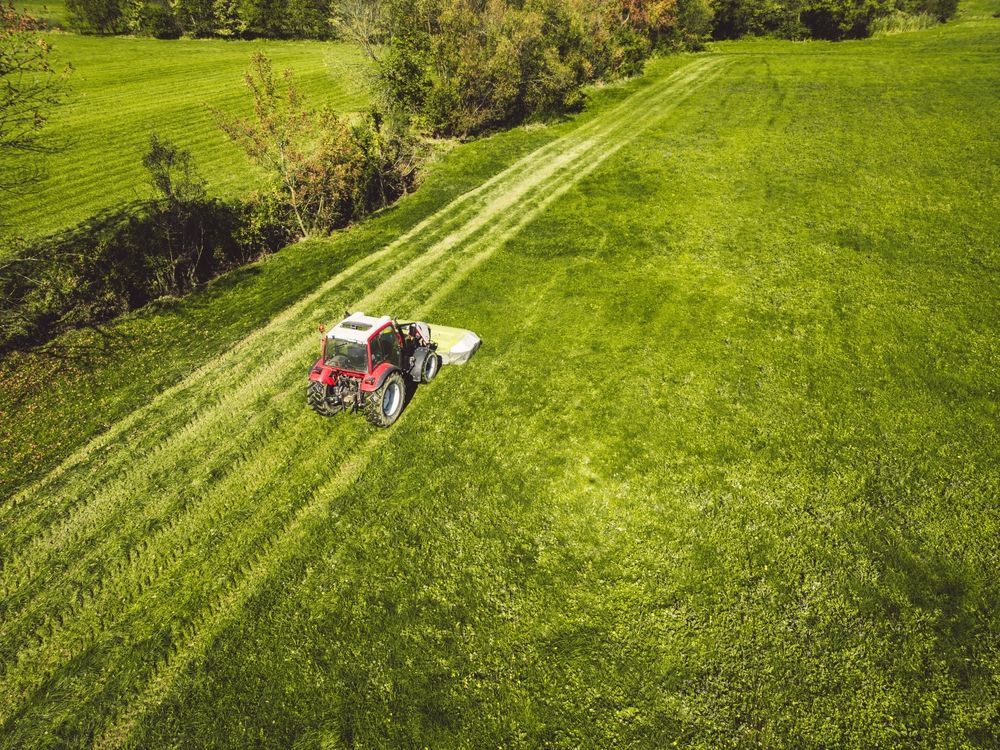
Fields showing uneven growth patterns or declining yields often have subsurface irrigation leaks, compacted soil zones, or emerging pest infestations that progress for weeks before becoming obvious from ground level, yet addressing these problems early prevents significant crop loss. 661aerialops applies Level 1 sUAS Applications Certified Thermographer training to agricultural thermal imaging, measuring canopy temperature variations that indicate water stress, nutrient deficiency, and disease activity. Growers managing properties in Taft receive field maps showing exactly which areas require intervention rather than applying treatments uniformly across entire blocks.
Aerial thermal imaging measures plant surface temperatures that rise when stomata close in response to water stress or root damage, revealing irrigation coverage gaps, emitter failures, and subsurface moisture deficits days before wilting becomes visible. The same thermal data identifies cool zones where excessive water application creates anaerobic soil conditions.
Arrange field surveys timed to growth stages when thermal stress indicators provide maximum decision value.
What Proper Agricultural Thermography Requires
Certified agricultural inspection flies at altitudes providing sufficient image resolution to detect temperature differences at the individual plant or row level, with thermal sensors calibrated for vegetation emissivity and atmospheric conditions affecting infrared transmission. Flight timing coordinates with crop water demand periods when thermal stress patterns emerge most clearly.
After completing the survey, 661aerialops delivers thermal orthomosaics showing temperature distribution across the entire field, with zones of elevated canopy temperature highlighted for follow-up investigation. Corresponding high-resolution visual imagery documents growth uniformity, weed pressure, and physical damage, while GPS coordinates allow field crews to navigate directly to problem areas for soil sampling or equipment repair.
The inspection covers canopy temperature mapping, stand uniformity assessment, and irrigation pattern analysis. It provides diagnostic data indicating where problems exist but does not determine specific pest species, soil nutrient levels, or disease identification, which require laboratory analysis of collected samples.
Growers throughout Taft request aerial thermal surveys during critical growth periods when irrigation adjustments and early problem detection directly affect final yields and crop quality.
Frequent Agricultural Monitoring Questions
What causes temperature variation in healthy-appearing crops?
Plants under water stress close stomata to reduce moisture loss, which prevents evaporative cooling and raises leaf surface temperature two to five degrees above adequately irrigated plants, creating thermal patterns that reveal irrigation system failures long before visible wilting.
How does thermography detect irrigation problems?
Thermal imaging shows cool zones where overwatering occurs and hot zones indicating under-irrigation, with patterns revealing clogged emitters, broken lateral lines, and pressure variations across the system based on how canopy temperature correlates with designed water application rates.
When during the growing season should thermal surveys occur?
Pre-bloom and early fruit set stages provide critical windows when water stress significantly impacts yield, making thermal monitoring most valuable during these periods, while mid-season flights track irrigation uniformity as crop water demand peaks.
What flight timing produces the clearest thermal data?
Early afternoon flights during maximum evapotranspiration demand create the strongest temperature contrast between stressed and healthy plants, as adequately watered crops maintain cooler canopies through active transpiration while stressed plants show elevated temperatures.
How do Taft's summer conditions affect agricultural thermal imaging?
High ambient temperatures and low humidity amplify plant stress responses, making thermal patterns more pronounced and easier to detect, though flights must avoid late-afternoon hours when solar heating of soil between rows masks the canopy temperature differences indicating irrigation issues.
661aerialops conducts agricultural inspections using certified thermographic techniques that map field conditions with temperature precision, allowing targeted responses to irrigation and crop health problems. Request a survey to document current thermal patterns across your Taft acreage and identify areas requiring immediate attention.